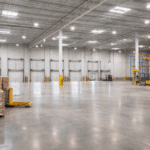



When a warehouse lease ends, turning over the space is rarely as simple as moving out and handing back the keys.
In Nashville’s industrial market, many warehouse and flex properties include a mix of warehouse area, office space, dock doors, loading access, lighting, and other features that affect how quickly the property can be shown and re-leased. Local listings regularly highlight office/warehouse layouts, dock-high and grade-level access, lighting, clear height, and distribution functionality, which shows how important overall condition and presentation are at turnover.
That means lease-end work is about more than basic cleanup. A space may still need repairs, tenant improvement removal, code-related corrections, cosmetic refreshes, or final punch-list completion before it is truly rent-ready.
At Warehouse Reset, we help simplify that process by coordinating the work needed to move industrial space from lease exit to rent-ready condition. The goal is to reduce delays, limit unnecessary back-charges, and help prepare the building for its next tenant.
Why Warehouse Turnover in Nashville Can Be More Involved Than Expected
Many industrial tenants underestimate how much work is still left after operations stop.
A warehouse may look empty, but there can still be damaged walls, anchor holes, worn office finishes, old data cables, leftover equipment, dock wear, or code-related issues that prevent a clean handoff. That matters because Nashville-area industrial listings often market not just square footage, but also the functionality and readiness of the space, including office components, loading features, and warehouse layout.
The more unfinished the space feels, the harder it can be to inspect, market, and turn over efficiently.
Lease-End Punch Lists Often Include More Than Cosmetic Repairs
One of the most important parts of a warehouse turn is the property management punch list.
These lists often include a combination of repairs, cleanup items, restoration work, safety issues, and follow-up corrections that must be completed before the space is accepted back. For many tenants, especially those operating from out of state, the challenge is not just understanding the list, but managing the work in the right order.
A good lease-end process starts with a clear walkthrough, a realistic scope of work, and a plan to address the items that affect lease compliance, presentation, and turnover timing.
Common Warehouse Turnover Issues in Industrial Space
Warehouse spaces experience wear that typical office properties do not.
Forklift traffic, pallet movement, storage systems, equipment installation, and repeated loading activity can leave behind cracked concrete, dented doors, damaged bollards, wall impacts, worn dock areas, and heavily used office finishes. These are the kinds of issues that stand out during a final walkthrough and can affect how ready the building feels for the next user.
In many Nashville industrial properties, listings emphasize features like dock doors, drive-in access, office buildouts, lighting, and warehouse functionality. That makes it even more important for those same areas to look complete and operational at turnover.
Tenant Improvement Removal Is Often Part of Lease-End Work
Over the course of a lease, tenants often add offices, partitions, shelving, information cable, work areas, and other improvements that are not meant to stay.
Before the property can be turned over, some of those items may need to be removed, followed by patching, surface repair, cleanup, and debris haul-off. Even non-structural removals can leave behind floor damage, wall penetrations, mounting points, and presentation issues that need to be addressed before the space looks ready again.
This is one of the most underestimated parts of a warehouse turn. Removal work is rarely just removal. It usually creates a second layer of restoration work that has to be handled correctly.
Office, Dock, and Warehouse Areas All Affect Rent-Ready Condition
A warehouse turnover is not just about the open warehouse floor.
Many Nashville industrial listings include a meaningful office component along with loading features such as dock doors, drive-in doors, and office/warehouse configurations. Because of that, the office area, entry points, and dock areas can matter just as much as the warehouse itself when it comes to appearance and function.
Marked-up walls, stained ceiling tiles, damaged door hardware, worn dock equipment, and unfinished patching can make a property feel neglected even if the main building systems are still intact.
Simple improvements such as wall repair, paint touch-ups, floor patching, ceiling tile replacement, dock-area cleanup, and office refresh work can make a major difference in how quickly the space feels marketable.
Coordination Is What Keeps an Industrial Turn Moving
One of the hardest parts of a warehouse turn is coordinating the work.
Lease-end projects often involve multiple vendors, shifting priorities, punch-list revisions, and time pressure. Without clear oversight, delays can stack up fast. A coordinated process helps ensure that cleanup, repair work, removals, and follow-up items happen in the right sequence.
That is especially important when the goal is to move from vacancy to showing-ready condition without dragging out the turnover period.
Final Walkthrough Preparation Matters
The final walkthrough is where everything gets tested.
By that point, the space should be cleared out, repaired, cleaned, and organized enough to show that lease-end obligations have been handled. The goal is not just to complete work, but to reduce surprises, avoid repeat trips, and improve the odds of a smoother sign-off.
For tenants, this can help reduce back-charges and lease-end headaches. For owners, brokers, and property managers, it helps move the property closer to being shown, marketed, and leased again.
The Goal: Move from Vacant to Rent-Ready Faster
In industrial real estate, unfinished turnover work slows everything down.
A warehouse may be vacant, but that does not mean it is ready. Lease-end punch lists, repairs, removals, and presentation issues can all delay the next step if they are not handled efficiently.
Warehouse Reset helps bridge that gap by coordinating the work needed to move Nashville warehouse space from lease exit to rent-ready condition with less friction and a clearer process.