


The European languages are members of the same family. Their separate existence is a myth. For science, music, sport, etc, Europe uses the same vocabulary. The languages only differ in their grammar, their pronunciation and their most common words. Everyone realizes why a new common language would be desirable.
There's a moment that happens in almost every warehouse lease exit, and it's always the same. The tenant has moved out. The space is empty. They've hauled away their equipment, cleaned up, and locked the doors. They schedule the final walkthrough feeling pretty good about things. Then the landlord shows up with a clipboard and starts making notes. The dock doors need work. The floors are in worse shape than expected. There's still wiring in the ceiling, old signage on the building, equipment anchors in the concrete. What the tenant thought was a finished job turns out to be just the beginning. Now there's a punch list. Contractors to schedule. Costs that weren't in the budget. And a security deposit that's not getting released until everything gets fixed. I've watched this scenario play out more times than I can count, and it almost always comes down to the same issue: the tenant's definition of "rent-ready" and the landlord's definition are miles apart. Let me explain what landlords are actually looking for, and why it matters more than most tenants realize.
There’s a moment that happens in almost every warehouse lease exit, and it’s always the same.
The tenant has moved out. The space is empty. They’ve hauled away their equipment, cleaned up, and locked the doors. They schedule the final walkthrough feeling pretty good about things.
Then the landlord shows up with a clipboard and starts making notes. The dock doors need work. The floors are in worse shape than expected. There’s still wiring in the ceiling, old signage on the building, equipment anchors in the concrete. What the tenant thought was a finished job turns out to be just the beginning.
Now there’s a punch list. Contractors to schedule. Costs that weren’t in the budget. And a security deposit that’s not getting released until everything gets fixed.
I’ve watched this scenario play out more times than I can count, and it almost always comes down to the same issue: the tenant’s definition of “rent-ready” and the landlord’s definition are miles apart.
Let me explain what landlords are actually looking for, and why it matters more than most tenants realize.
There’s a moment that happens in almost every warehouse lease exit, and it’s always the same.
The tenant has moved out. The space is empty. They’ve hauled away their equipment, cleaned up, and locked the doors. They schedule the final walkthrough, feeling pretty good about things.
Then the landlord shows up with a clipboard and starts making notes. The dock doors need work. The floors are in worse shape than expected. There’s still wiring in the ceiling, old signage on the building, and equipment anchors in the concrete. What the tenant thought was a finished job turns out to be just the beginning.
Now there’s a punch list. Contractors to schedule. Costs that weren’t in the budget. And a security deposit that’s not getting released until everything gets fixed.
I’ve watched this scenario play out more times than I can count, and it almost always comes down to the same issue: the tenant’s definition of “rent-ready” and the landlord’s definition are miles apart.
Let me explain what landlords are actually looking for, and why it matters more than most tenants realize.
1. Empty Doesn't Mean Ready
Most tenants assume “rent-ready” means the building is cleared out and reasonably clean. Your inventory is gone. Your desks and equipment are loaded on the truck. You’ve swept the floors and turned off the lights.
That’s vacant. It’s not the same thing as rent-ready. Rent-ready means a broker can bring a prospective tenant through the space this week, and that tenant can realistically envision starting operations without a long list of repairs or improvements.
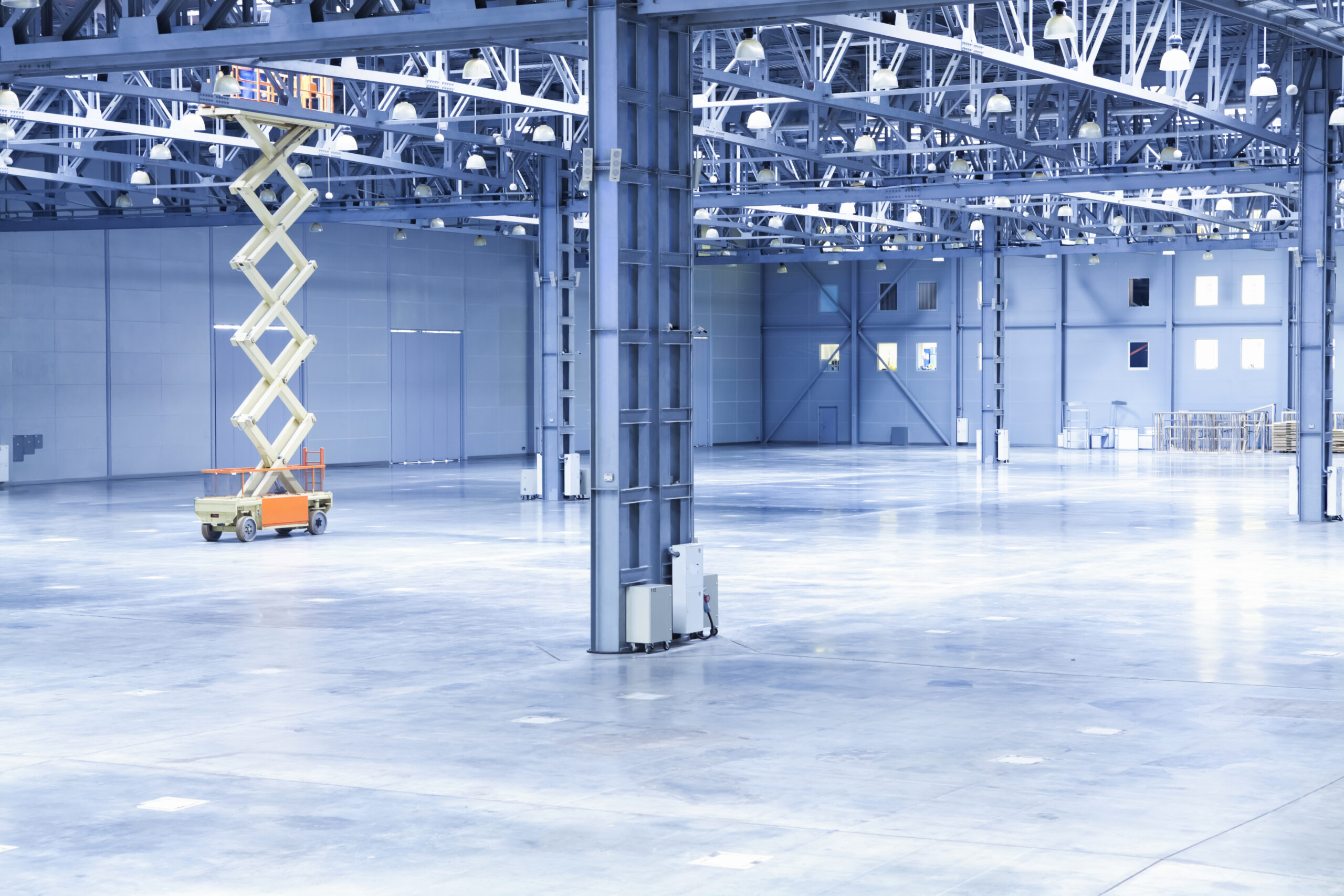
It means the building actually works. Dock doors open and close smoothly. Lights function in every section of the warehouse. The floor is clean and in decent condition, not showroom perfect, but presentable. The exterior looks maintained, not abandoned. If someone walks through and immediately starts tallying up everything that needs to be fixed before they can move in, the space isn’t rent-ready. e And the landlord knows that every issue on that mental list is either going to delay leasing or cost them money in concessions.
2. Where Lease Language Falls Apart
Your lease probably says something about returning the property in “good condition” or leaving it “broom clean” with allowances for “normal wear and tear.”
Those terms sound clear until you actually try to apply them to a real building that’s been in industrial use for years. What’s normal wear and tear on a warehouse floor? The tenant sees forklift marks and tire scuffs and figures that’s just what happens when you operate a warehouse. The landlord sees staining and surface damage that makes the space look beat up and harder to lease.
Is a dock door that technically still opens in acceptable condition? The tenant might think so. The landlord sees worn weather seals, tracks that need adjustment, and sensors that don’t always trigger, and knows that’s not something the next tenant is going to accept without asking for it to be fixed.
The lease usually gives the landlord final say on what conditions are acceptable, and most landlords are going to hold the line on anything that affects their ability to lease the space quickly at market rate.
Learn how we plan every shipment—from initial booking to delivery—with built-in checks and contingency measures to avoid delays.
Explore our GPS tracking, automated scheduling, and digital proof-of-delivery tools that give clients real-time visibility and control.
See how our regularly maintained, modern fleet is equipped for all freight types—ensuring both safety and speed.
3. What Landlords Are Actually Worried About
When a landlord rejects a space at the final walkthrough, it’s not arbitrary. They’re looking at that building through the lens of what happens next, and they’re seeing problems that are going to cost them time or money.
4. Functional issues that stop a deal.
Broken dock equipment, inadequate or non-working lighting, and floor damage that creates legitimate safety concerns, these are not cosmetic complaints. They are real problems that prevent the building from being usable. The landlord knows they’ll have to fix them before any serious tenant will sign, so they’re not going to approve the space until it’s handled.
5. Condition issues that hurt negotiations.
Stained concrete. Leftover racking or equipment. Wiring draped through the rafters. Exterior damage or old signage. When the space looks neglected, prospective tenants either walk away or use it as leverage to negotiate lower rent or ask for a TI allowance. Either way, the landlord loses.
6. Incomplete or sloppy repairs.
Sometimes tenants try to patch things instead of actually fixing them. They paint over damage. They remove most of their equipment but leave brackets and anchors behind. They take down some wiring, but not all of it. The landlord sees half-finished work and knows it’s going to create friction with the next tenant.
7. Curb appeal problems.
Faded company signage is still mounted on the facade. Damaged perimeter fencing. Cracked pavement around the loading area. These things shape the first impression when a prospective tenant drives by, and landlords know that first impressions matter.
Landlords push back because they understand what happens if they don’t. The property sits longer. They make concessions they shouldn’t have to make. Or they end up fixing everything themselves at a higher cost than if the outgoing tenant had just handled it properly in the first place.
8. The Ripple Effect of a Failed Walkthrough
When a tenant doesn’t pass the final inspection, the complications start immediately. The landlord either keeps the security deposit and hires contractors to handle the punch list or sends the list back to the tenant and waits for the work to get done. Either path leads to delays.
If the tenant tries to manage repairs remotely, especially after they’ve already moved to another state or started operations elsewhere, it becomes a logistical mess. Scheduling contractors. Coordinating access. Following up to make sure the work actually gets completed. It’s time-consuming and frustrating, and it pulls focus away from wherever the tenant is trying to be now.
If the landlord takes over, they’re not doing it as a favor. They’ll use their own contractors, apply their own markup, and bill the tenant for costs beyond what the deposit covers. And since the landlord controls the timeline, there’s no urgency. The work happens when it happens; meanwhile, if the tenant is already paying rent at a new facility, they might be carrying double costs while the old space drags out. And if maintaining a good relationship with the landlord or broker mattered, for future expansions, referrals, or just professional reputation, a messy exit doesn’t help.
9. How to Avoid the Whole Mess
The solution is straightforward: understand what the landlord expects before you start the exit process, not after you’ve already failed the walkthrough.
10. Get clear on lease requirements early.
Don’t skim the exit clause and assume you know what it means. Read it carefully. If anything’s vague, and commercial leases often are, ask the landlord or property manager for clarification in writing before you start planning your move.
11. Look at the space objectively.
Walk through like you’re a prospective tenant, not like someone who’s been working there for years. Would you lease this building as-is? Are the docks fully functional or barely limping along? Is the floor in reasonable condition or visibly damaged? Would you expect certain things to be removed that are still there?
12. Address obvious problems before final inspection.
If there’s visible damage, worn dock seals, cracked concrete, or broken light fixtures, fix them before the landlord points them out. Handling repairs on your timeline, while you still have control, is almost always cheaper and faster than dealing with it after you’ve already been rejected.
13. Take everything with you.
Racking, shelving, signage, cabling, equipment, if you installed it, remove it. If something’s permanently mounted and removal is complicated, negotiate with the landlord in advance and get written approval for what can stay. Don’t leave things behind and hope it’s not a problem.
14. Ask for a pre-final walkthrough.
Not all landlords will agree to this, but many are willing to do an informal walkthrough a few weeks before your lease officially ends. It gives you a chance to address issues before the final inspection, which saves everyone time and avoids unpleasant surprises.
15. When It Makes Sense to Hand It Off
If you’re staying local, you have the bandwidth, and you’ve got good contractor relationships, you can probably manage lease-end work yourself without too much trouble, but if you’re juggling multiple locations, if you’ve already relocated out of state, if the scope is bigger than you anticipated, or if you just don’t want to spend the next month coordinating contractors while trying to run your actual business, doing it yourself usually creates more headaches than it’s worth.
This is what we do. We step in and handle the entire exit process, repairs, removal, cleaning, and final prep so the space gets to an actual rent-ready condition without the tenant having to manage it all remotely.
The landlord gets a space they can show immediately. The tenant meets their obligations without stress. And everyone closes out the lease cleanly without disputes or delays.
We work with tenants who want to leave on good terms and avoid the risk of failing the final walkthrough. We also work with landlords and brokers who need spaces turned quickly so they can get back to generating rent.
If you’ve got a lease ending in the next few months and you’re not totally confident the space will pass inspection on the first try, let’s talk before it becomes an issue. Getting it right from the start is a lot simpler than trying to fix it after the landlord’s already said no.